Scheduled Inspections That Prevent Water Damage
Roof Maintenance in Flagstaff for Properties Facing Freeze-Thaw Cycles and Seasonal Hail
Freeze-thaw cycles at 7,000 feet crack sealant, lift shingle edges, and create gaps in flashing that remain invisible until water migrates into attic spaces and triggers expensive rebuilds. Seasonal roof maintenance through Atlas Roofing of Northern Arizona catches storm and hail damage early, before moisture spreads from the entry point to insulation, framing, and interior finishes. Scheduled inspections include both surface condition checks and attic surveys when accessible and applicable for early signs of moisture or mold that indicate a failure in the roof's protective barrier.
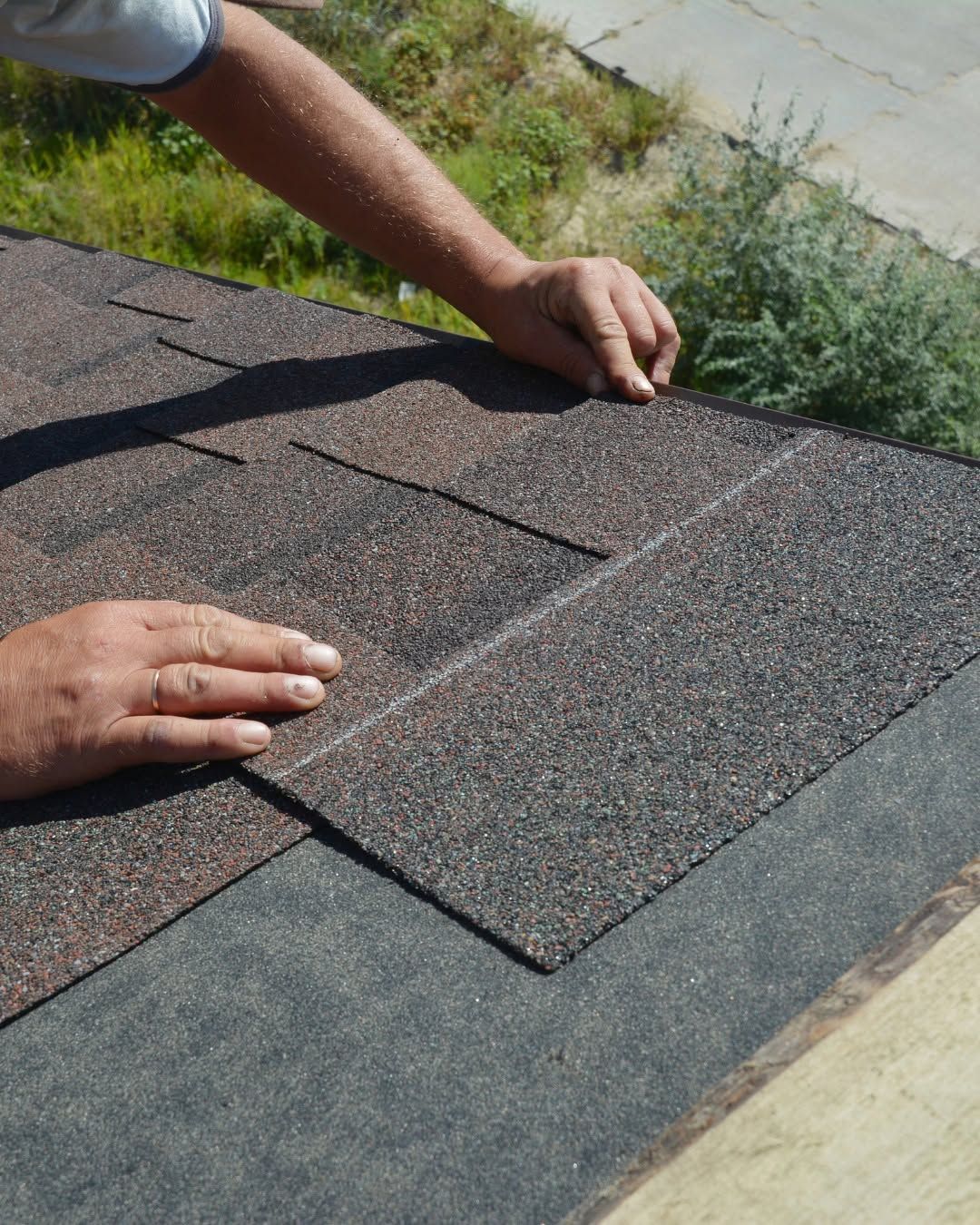
The maintenance process evaluates shingle condition for granule loss or cracking, flashing integrity around chimneys and vents, and gutter systems for debris that causes water backup. Findings get documented with repair urgency rankings, so property owners can address minor issues before they evolve into water intrusion problems that require structural work.
Request a seasonal inspection to identify storm damage and flashing wear before the next weather cycle begins.
What You Notice Once Maintenance Is Finished
Maintenance visits start with a roof walk to assess shingle adhesion, flashing seals, and penetration points, then move into the attic to check for moisture staining, mold growth, and insulation compression that signals water has already entered. Clearing debris from gutters and valleys prevents ice dams and water backup during snowmelt, conditions that are common in Flagstaff's elevation and climate.
After maintenance, you'll notice that gutters drain freely during rain, attic spaces remain dry and odor-free, and minor repairs flagged during inspection prevent the larger failures that turn into emergency calls when the next hailstorm hits. The restoration background Atlas brings means the inspections prioritize risk reduction over upselling, focusing on what actually prevents water damage rather than cosmetic concerns.
Maintenance timing aligns with post-storm checks and seasonal transitions when freeze-thaw damage becomes visible, not arbitrary calendar intervals. The sparsely populated service zone around Flagstaff means that delayed maintenance often results in costlier water damage rebuilds simply because help is farther away when emergency repairs become necessary.
Common Questions About This Service
Homeowners in mountain climates often ask about inspection frequency, what gets checked, and how maintenance differs from emergency repairs before committing to scheduled service.
How often should roofs be inspected in Flagstaff?
Twice-yearly inspections after spring snowmelt and before winter storms allow early detection of freeze-thaw damage and hail impacts that only become visible as temperatures shift.
What specific issues does attic inspection catch that surface checks miss?
Water staining on attic sheathing, mold on insulation, and framing rot reveal that moisture has already penetrated the roof even when the surface shows no obvious damage.
When is the best time to schedule maintenance in Northern Arizona?
Post-storm inspections after hail or high winds and seasonal checks in late spring and early fall align with weather patterns that cause the most roof stress at 7,000 feet.
What happens if the inspection finds damage that needs immediate repair?
Findings get documented with urgency ratings, and critical issues like active leaks or compromised flashing receive priority scheduling to prevent water intrusion before the next storm.
Why does maintenance matter more at high elevation than in lower climates?
Freeze-thaw cycles, UV exposure, and wind speeds degrade roofing materials faster at 7,000 feet, meaning minor issues left unaddressed turn into structural failures within a single season rather than over several years.
Atlas Roofing of Northern Arizona uses its restoration expertise to position maintenance as water damage prevention, not upselling. Schedule a post-storm or seasonal inspection by calling (928) 395-1300 to document current roof condition and catch issues before they spread.