Roof Leaks That Have Already Caused Interior Damage
Water Damage Restoration in Flagstaff for ceiling stains, soaked insulation, and structural drying after roof failures
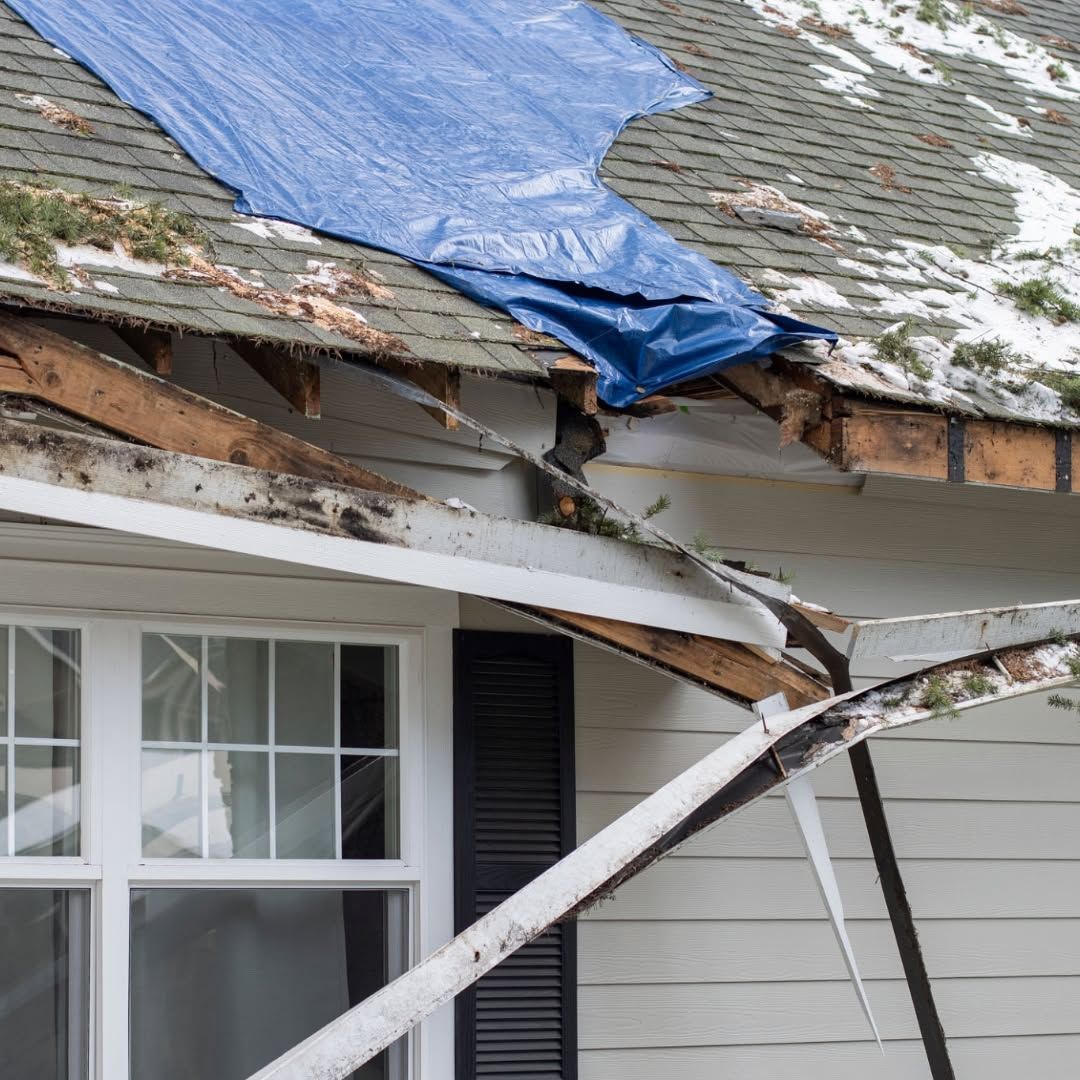
At 7,000 feet, freeze-thaw cycles and seasonal snowmelt drive most water damage in Flagstaff mountain housing through roof system failures. Atlas Roofing of Northern Arizona handles water damage restoration by diagnosing the roof cause—leak origin, flashing failure, ice dam—and then stopping water intrusion, drying affected structure, and preventing mold before it starts. You're working with a restoration business that ran flood and fire rebuilds for 20 years before adding roofing, which means root cause diagnosis happens first and insurance documentation is built into the workflow from day one.
The service begins by identifying where water entered: a specific leak point in the roof, a failed valley flashing, or an ice dam that forced melt under shingles. Once the entry point is confirmed, water intrusion stops immediately through temporary cover or emergency repair, followed by structural drying of walls, insulation, and attic framing using commercial dehumidification equipment. Documentation starts during the first visit because adjusters need photo evidence of both the roof failure and the interior damage it caused.
Schedule a property evaluation to confirm the roof failure point and assess drying requirements before secondary mold growth begins.
What Happens During Structural Drying and Mold Prevention
Drying involves moisture meters that measure water content in wood framing and insulation, with readings taken daily until levels return to baseline. Dehumidifiers and air movers run continuously in affected spaces, and soaked insulation is removed if it cannot dry within 48 hours. Mold prevention protocols start immediately because spores colonize damp organic material within two to three days in mountain humidity conditions.
After drying completes, framing is inspected for structural integrity and staining is assessed to determine whether replacement or encapsulation is needed. Ceiling drywall is evaluated for sagging or delamination, and attic insulation is reinstalled only after moisture readings confirm the space is dry. The difference you'll notice is elimination of musty odors, stable humidity levels, and surfaces that no longer feel damp to the touch.
Atlas Roofing of Northern Arizona coordinates roof repair as part of the same restoration contract, which prevents the finger-pointing that happens when a water damage contractor and a separate roofer disagree about who caused what. One company handling both the roof cause and the interior damage means faster resolution and clearer accountability throughout the insurance claim process.
Questions Property Owners Ask Before Starting Restoration
Water damage from roof failures in Flagstaff often triggers questions about timelines, insurance coverage, and what the drying process actually involves.
What causes most water damage in Flagstaff mountain homes?
Ice dams form when heat escapes through the roof and melts snow, which refreezes at the eave and forces water under shingles into the attic. Freeze-thaw cycles and wind-driven rain through failed flashing are the other primary causes in high-elevation housing.
How long does structural drying take after a roof leak?
Drying timelines depend on how much water entered and what materials were affected, but framing typically reaches safe moisture levels within three to five days if dehumidification starts immediately and the roof leak is stopped.
Does homeowners insurance cover water damage from roof leaks?
Coverage depends on whether the leak resulted from a sudden event like storm damage or from deferred maintenance, and documentation of the roof failure point is required during the adjuster's inspection.
What gets removed during water damage restoration?
Soaked insulation, delaminated drywall, and any framing that shows rot or structural compromise are removed, while materials that can be dried and retain integrity are treated in place to reduce replacement costs.
Why does mold prevention start before drying finishes?
Spores begin colonizing damp surfaces within 48 hours, so antimicrobial treatments are applied to exposed framing and containment barriers prevent spore migration into unaffected areas of the home during the drying process.
Atlas Roofing of Northern Arizona handles restoration from initial roof diagnosis through final insurance claim documentation, and the 20-year restoration background means you're working with someone who has managed catastrophic rebuilds and knows how adjusters evaluate damage. Request a damage assessment to identify the roof failure and begin drying protocols before mold colonization starts.