Repairs That Stop Water Before Interior Damage
Roof Repair in Flagstaff for Storm Damage, Missing Shingles, and Active Leaks
Wind lift during seasonal storms at 7,000 feet tears shingles loose, exposes underlayment, and allows water to migrate under flashing before homeowners notice interior stains. Atlas Roofing of Northern Arizona repairs storm, hail, and wind damage by diagnosing the source of water intrusion rather than patching symptoms. The diagnostic process includes attic entry to trace water staining back to the failed component, whether that's a lifted shingle, compromised flashing, or underlayment gap that surface inspection alone won't identify.
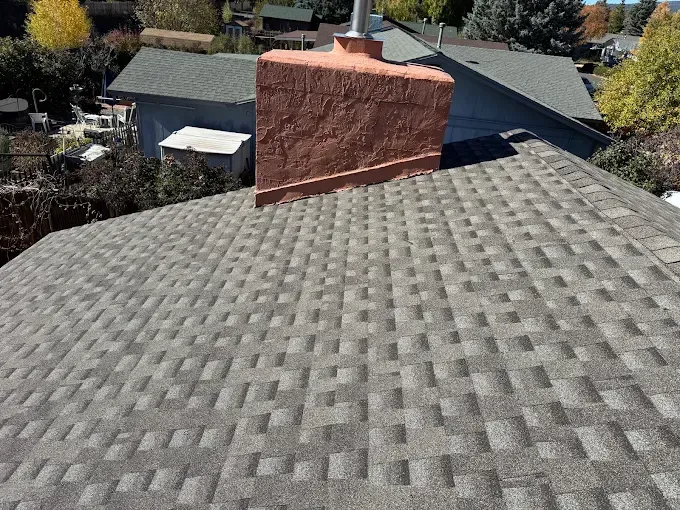
Repair scope depends on what failed: shingle replacement addresses wind damage, flashing resealing fixes penetration points around chimneys and vents, and underlayment patching stops water migration when freeze-thaw cycles have cracked the barrier layer. Each repair type follows different material and fastening requirements, and insurance documentation gets prepared if a claim has been filed so adjusters receive the condition photos and damage notes they expect.
Arrange an on-site consultation to assess both roof surface condition and attic-level water intrusion patterns.
How Roof Repair Addresses Water Intrusion
The inspection starts with a roof walk to identify missing shingles, cracked flashing, and wind-damaged edges, then continues into the attic where water staining reveals whether the problem is localized or part of a larger failure pattern. Moisture that reaches attic insulation or framing means the repair must address both the entry point on the roof and any damaged substrate below, not just the visible surface issue.
Once repairs are complete, you'll see that water no longer penetrates during rain or snowmelt, attic insulation stays dry, and ceiling stains stop spreading because the failed component has been replaced and sealed according to the material's installation specifications. Restoration experience means roofer-caused leaks, where improper repairs create new entry points, get identified before the work is considered finished.
Repairs differ from replacements in that only the damaged section gets addressed, but the surrounding materials must still integrate properly to maintain a continuous water barrier. Hail damage in Flagstaff often appears as bruising on shingle granules rather than obvious punctures, so knowing what insurance adjusters look for during damage assessment prevents claim denials due to insufficient documentation.
Answers to Frequent Service Questions
Property owners dealing with roof leaks or storm damage typically want to understand inspection depth, repair timing, and how emergency situations get handled in mountain weather.
What makes attic inspection necessary for roof repairs?
Attic entry reveals water staining patterns that show whether the leak source is where you see the interior drip or several feet away where wind-driven rain first entered, preventing repairs that address the symptom while the actual failure point remains untouched.
How quickly can emergency repairs happen after a storm in Flagstaff?
Response time depends on weather conditions and accessibility, but temporary tarping or sealing can often occur within 24 hours to prevent additional water intrusion while permanent repairs wait for materials or insurance approval.
When does a repair make more sense than full replacement?
Localized damage affecting less than 30 percent of the roof surface, recent installation within the past ten years, and isolated failures like flashing or a few missing shingles all favor repair over replacement, provided attic inspection confirms no widespread moisture damage.
What documentation do I need if I'm filing an insurance claim?
Adjusters expect photos of the damaged area from multiple angles, notes on what caused the failure, and an estimate that separates emergency stabilization costs from permanent repair work, all of which Atlas prepares as part of the repair process.
Why do some roof leaks only show up during certain weather conditions?
Wind direction, snow accumulation patterns, and freeze-thaw cycles can force water through gaps that remain dry during calm weather, which is why seasonal hail and wind above 10,000 feet often trigger leaks that weren't present during milder months.
Atlas Roofing of Northern Arizona applies restoration business expertise to catch roof issues before they escalate into flood damage claims. Call (928) 395-1300 to report storm damage and request an inspection that documents both surface and attic-level conditions.