Roofs Built to Handle Mountain Weather
Roof Replacement in Flagstaff for Homes Damaged by Hail, Wind, and Freeze-Thaw Cycles
Atlas Roofing of Northern Arizona replaces roofs across Flagstaff where damage from hail, wind, storm, and fire has compromised the protective layer homeowners rely on. When you live at 7,000 feet, seasonal hail and freeze-thaw cycles accelerate the wear on every shingle, membrane, and flashing component. Atlas focuses on full tear-offs combined with attic inspections that catch hidden water damage and structural rot before new materials go on.
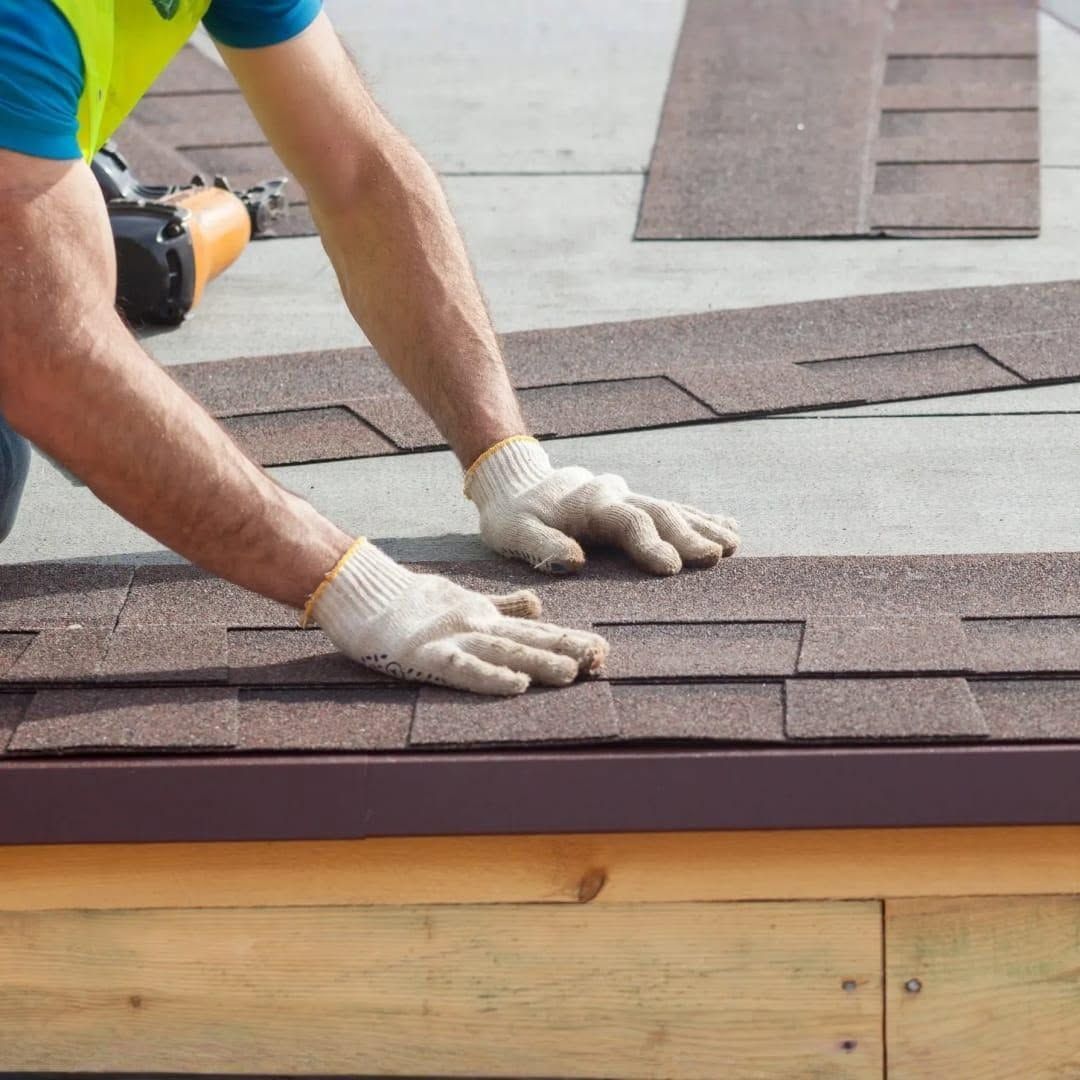
The replacement process begins with removing the existing roof down to the decking, then inspecting the attic for water staining, mold, and framing issues that surface-only contractors miss. Material selection matters in high-elevation environments: shingle durability ratings differ from metal weight and wind resistance, and flat roofs require specific slope and drainage configurations to handle snowmelt and sudden temperature shifts. Each option gets documented with separate material and labor warranty components that match manufacturer certification levels.
Schedule a property evaluation to identify structural concerns and discuss material options suited to your elevation and exposure.
What Proper Roof Replacement Requires
A full tear-off exposes the decking and allows inspection of the substrate for soft spots, rot, or moisture intrusion that partial overlays conceal. Atlas Roofing enters the attic before installation begins, looking for water staining patterns that indicate where flashing failed or wind lifted shingles enough to let moisture penetrate. This two-level diagnostic approach separates replacement work from quick cosmetic fixes that leave structural problems untouched.
After the new roof is installed, you'll notice that wind no longer lifts edges during storms, water no longer pools in low spots, and attic temperatures stabilize because ventilation and underlayment now work as a system rather than a patchwork of aging materials. The differentiation between material warranties and labor warranties becomes clear in the documentation, so you understand what coverage applies to product failure versus installation defects.
The installation follows manufacturer specifications for fastening patterns, underlayment layering, and flashing integration, all adjusted for local wind and snow load codes that apply to Flagstaff's elevation. Insurance claim assistance is built into the workflow for properties where storm damage triggered the replacement, and the restoration background Atlas brings means adjusters' documentation requirements are anticipated from the first inspection.
Questions Before Starting Your Project
Homeowners replacing roofs in mountain climates usually ask about material selection, timing, hidden damage, and warranty structures before committing to the work.
What's the difference between shingle, metal, and flat roof options for high-elevation homes?
Shingles offer durability ratings suited to freeze-thaw cycles, metal provides superior wind resistance and longevity in exposed areas, and flat roofs require precise slope and drainage design to handle snowmelt without ponding.
How does the attic inspection change the replacement process?
Entering the attic before installation reveals water staining, mold growth, and framing rot that a roof-only walk misses, allowing structural repairs to happen before new materials cover the problem.
When should I replace my roof in Flagstaff instead of repairing it?
Replacement makes sense when hail or wind damage affects more than 30 percent of the surface, when the roof is older than 20 years in freeze-thaw conditions, or when attic inspection shows widespread moisture intrusion that isolated repairs won't resolve.
What warranty documentation should I expect after installation?
You'll receive separate warranties for material performance from the manufacturer and labor quality from the installer, with coverage terms and exclusions documented per the certification level the contractor holds with that product line.
Why does material selection matter more at 7,000 feet?
Freeze-thaw cycles, wind speeds, and UV exposure at elevation degrade roofing materials faster than in lower climates, so weight ratings, fastening requirements, and thermal expansion tolerances must match the specific conditions your home faces year-round.
Atlas Roofing of Northern Arizona brings 20 years of general contracting and flood and fire rebuild experience to every roof replacement, catching triggers that generalist roofers overlook. Request a detailed estimate that includes attic-level diagnostics and material options matched to your home's elevation and exposure.